
The Straight Edge Lifestyle in the Studio
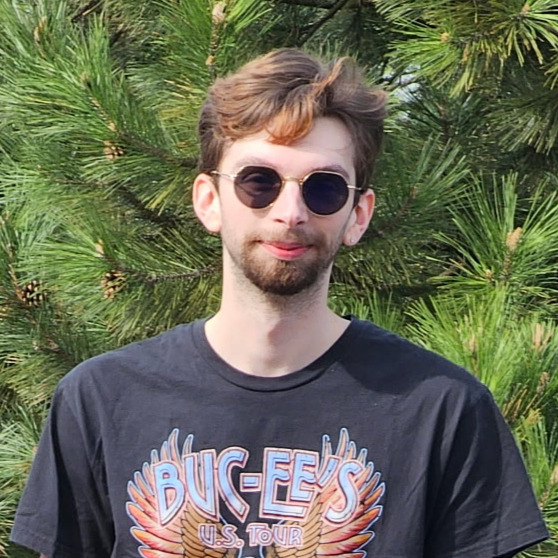
Sex, Drugs and Rock 'n' Roll, an adage as old as the music genre itself. But what happens when we choose to reject the expectations and live clean? And what happens when that clean life runs into the stresses of the studio?
The recording studio has long had a mythology of drug-fueled euphoria leading to one-of-a-kind moments being captured in time. Maybe only the exact combination of cannabis, LSD and alcohol at that exact moment in time could have produced Electric Ladyland or only the exact concentration of heroin in Layne Staley's veins could have produced Dirt. Then again, maybe they were all immensely talented musicians with well-written songs and the drugs played less of a role. While drugs and alcohol play a large part in many artists' creative processes, they are not necessary to the creative process.
The straight edge lifestyle rejects the notion that impaired judgement and motor skills improves art. I do not allow recreational drugs, alcohol, or tobacco products in my studio because I want every artist to be their most honest self when they record with me. I want the listener to feel all the longing behind a heartfelt love song, the agony behind a gut-wrenching breakup song, and the righteous anger behind a political punk anthem. Drugs and other impairing substances dull the emotion behind the music and thus cause the artist to lie to themselves and their audience.
Beyond the supposed creative improvements, many artists turn to drugs as a means of self-medicating to deal with stress, anxiety, depression and other mental health challenges. These pressures are amplified in the studio environment, so it makes sense that use accelerates around the session. I would not claim to be a mental health expert, nor am I a pharmacologist, but I do know artists. I know musicians and other creatives have the greatest outlet for all of their stresses that anyone could ask for, the only thing that drugs do is interfere with that outlet. Being an artist and having the ability to offload one's own negativity into creating something beautiful is a privilege, a privilege that drugs will take away with extreme prejudice. Self-medicating with harmful substances is not medicating at all, it is simply distracting one's self from their own life and allowing their real problems to fester under the surface.
I also cannot help but feel a moral sense of responsibility, I am an educator in addition to a music producer and artist manager. I feel it would be disingenuous of me to allow or encourage someone in my charge to make choices detrimental to their health.
The effects of heavy cannabis use on mental health are beginning to be discovered in countries where it has been fully legal. These effects are also apparent to those of us unfortunate enough to have witnessed ourselves and/or our friends and loved ones develop dependency on cannabis. In my case, there was a period of time where I was unable to eat without being high and it took getting very ill to get my life back on track.
The effects of other drugs are well-documented, far too many of us within the music scene have known people who have lost their lives and livelihoods to drug addiction. Alcohol is the most abused drug in the United States with nearly 10% of Americans over the age of 12 developing Alcohol Use Disorder (AUD), it also kills 178,307 Americans every year (2026 NCDAS). These startling statistics and my own lived experiences have moved me to embrace a straight edge, drug free lifestyle. It is also the only way I can run a studio in good conscience. So please, leave your drugs behind and be honest with yourself, with me, and with your listeners.
References
Alcohol abuse statistics [2026]: National + State Data. NCDAS. (2026, January 5). https://drugabusestatistics.org/alcohol-abuse-statistics/
Comments